
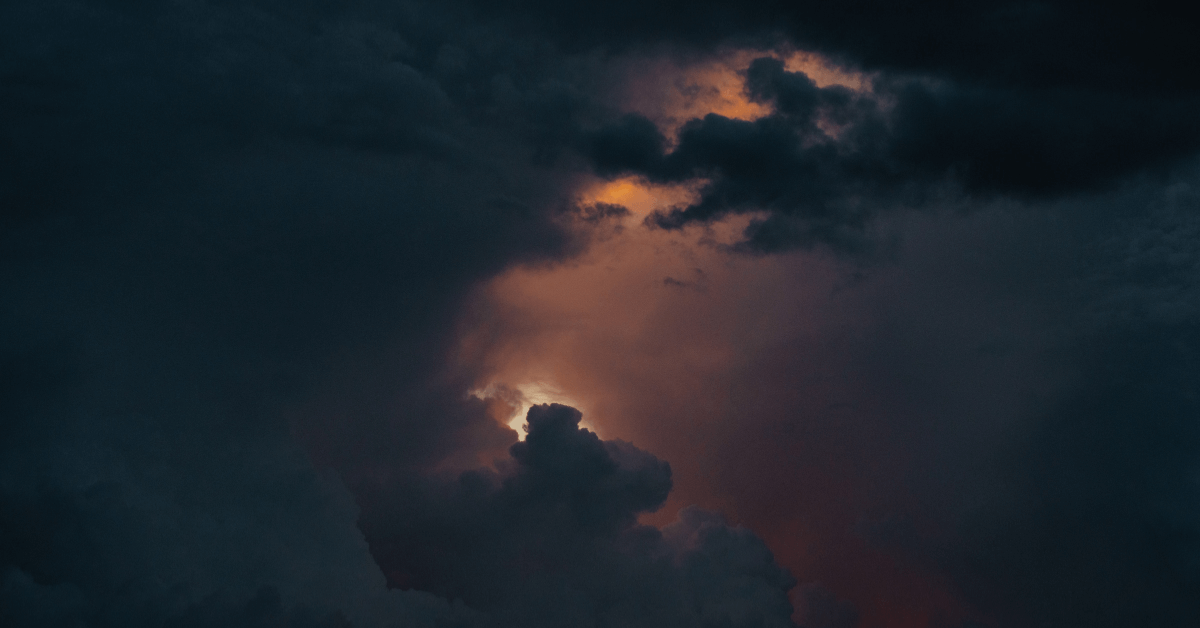
Explore my personal dark night of the soul and discover its poem meaning through Rumi’s verses and Jungian synchronicities. A journey of solitude, symbols, and transformation.
The beginning of the darkness
I remember the moment when life felt like it had quietly dissolved beneath my feet. everything familiar—the routines, the relationships, even my sense of self—felt like a thin veil, fragile and insubstantial. the world seemed muted, and I was alone in a landscape that no one could truly explain.
It was during this time that I encountered the words of Rumi, whose poetry resonated with the pain and longing I could not name:
«The wound is the place where the light enters you.»
«Don’t get lost in your pain, know that one day your pain will become your cure.»
«Try to accept the changing seasons of your heart, even as you have always accepted the seasons changing over your fields.»
«Don’t grieve. anything you lose comes round in another form.»
These lines reflected my invisible suffering and quietly promised that transformation lives within despair.
Poems as companions in solitude
Rumi became more than a poet; he became a companion. his verses articulated what I could not: the oscillation between grief and revelation, between shadow and light.
«Be like a tree and let the dead leaves drop.»
«Be like a melting snow—wash yourself of yourself.»
«Don’t get lost in your thoughts, they are just clouds passing through the sky of your heart.»
«Be like a compass. your eyes are never still, yet they point to the center.»
«Respond to every call that excites your spirit.»
«Stop acting so small. you are the universe in ecstatic motion.»
These poems were lifelines, validating fear and nudging me toward the recognition that suffering itself was a teacher.
Shadows of the mind: my connection with Jung
During my journey, I discovered Carl Jung. his exploration of the unconscious, his obsession with synchronicities, and the symbolism embedded in life mirrored my own inner questioning. Jung once recounted finding a scarab beetle at a critical moment, a symbol that sparked insights into meaningful coincidences.
I had tattooed a scarab on the nape of my neck long before studying Jung, unaware of its future significance. it was only when I read his work on synchronicity that I realized the depth of that symbol—my unconscious had already whispered a truth I had yet to consciously understand.
This resonance with Jung felt uncanny, as though my darkness and his explorations of the psyche were threads in the same tapestry. the moments of solitude, poetry, and mysterious guidance of symbols converged in ways I could not have predicted.
Finding meaning in the dark night
The dark night was not merely suffering; it was a crucible. every fear, every loss of identity, every moment of despair forced me to confront the depth of my being. i learned to observe my pain, to let it rise and dissolve without judgment.
«Let yourself be silently drawn by the strange pull of what you really love.»
«Stop acting so small. you are the universe in ecstatic motion.»
«Respond to every call that excites your spirit.»
Through introspection, poetry, and awareness of synchronicities, I began to see a subtle orchestration in life. scars, tattoos, despair, and silent coincidences were threads weaving a narrative of awakening.
Embracing synchronicity and transformation
What I experienced is a profound alignment of inner and outer worlds. Jung’s insights into meaningful coincidences, paired with Rumi’s timeless wisdom, revealed that the chaos I endured was not meaningless.
The scarab, once a simple tattoo, became a symbol of resurrection and insight. the darkness became a conduit for awakening. poetry, psychology, and seemingly random threads of life converged to guide me toward my own truth.
«Try to accept the changing seasons of your heart, even as you have always accepted the seasons changing over your fields.»
«Be like a tree and let the dead leaves drop.»
Through this journey, I learned that despair holds profound beauty, and that the night, no matter how dark, is the space where light prepares to enter.