
Winter light and the refuge of stillness
Today the world was covered in snow and flooded with sunlight. As I walked with my dog, I watched how the light touched the ground and transformed the snow into something alive, almost sacred, as if the earth were breathing slowly beneath my feet. Winter carries a particular kind of silence, one that is not empty but deeply present. It does not demand attention, it invites it. These days, I cannot say that my life has been especially quiet. Like everyone else, I move through obligations, conversations, crowded spaces, and constant stimuli. Noise is part of being human. And yet, I am grateful for it, because it is precisely after being immersed in noise that silence becomes a place of restoration.
When I return to quiet, something in me softens. My breath slows. My body remembers itself. It is in those moments that I realize how much innate power we carry within us, not as control over life, but as a natural intelligence that knows how to guide us. We are born with intuition long before we learn language. Long before we learn to doubt ourselves. There is a voice within us that does not use words, as Rumi so beautifully wrote, “There is a voice that doesn’t use words. Listen.” And that voice speaks most clearly through the body.
The body as memory and ally
Modern medicine and neuroscience are beginning to articulate what ancient wisdom has always known: the body remembers. Psychiatrist and trauma researcher Bessel van der Kolk expressed this with striking clarity when he wrote in The Body Keeps the Score that trauma is not only a story we tell ourselves, but an experience that becomes embedded in our muscles, posture, breath, and nervous system. The body is not a passive container for the mind; it is an active witness to everything we have lived through.
From a neurological perspective, emotions are not abstract events. They are physiological processes. The tightening of the chest, the shallow breath, the knot in the stomach are not random sensations. They are meaningful signals generated by the nervous system. Antonio Damasio, a neuroscientist who has extensively studied emotion and consciousness, explained that feelings arise from the brain’s interpretation of bodily states. In other words, we feel because the body speaks, and the brain listens.
This understanding changes the way we relate to pain. Pain is no longer something to silence immediately, but something to approach with curiosity. In clinical practice, many physicians and physiotherapists observe that chronic pain often persists not because of structural damage, but because the body is holding unresolved emotional tension. Rehabilitation doctor John Sarno argued that the body sometimes expresses emotional conflict through physical symptoms, not to punish us, but to protect us from emotions we were once unable to feel.
When I began to truly listen to my body, I realized I had gained a powerful ally. We were no longer in opposition. We became a team. When I feel a knot in my stomach, I no longer rush to distract myself. I allow it to be there. I give it space. I stay present. And when my body feels overwhelmed, I respond with gentleness. A hand on the chest. A slower breath. A silent reassurance: I am here with you.
Listening instead of fixing
So much of our suffering comes from the belief that we must constantly fix ourselves. Be better. Be stronger. Be healed. But healing does not always mean correcting. Often, it means listening. Mindfulness teacher and medical researcher Jon Kabat-Zinn, who brought meditation into clinical medicine, emphasized that awareness itself can be profoundly therapeutic. In his work, he showed that simply turning toward our experience with kindness can reduce stress, regulate the nervous system, and alleviate suffering.
The body responds to presence. Slow breathing stimulates the vagus nerve, which plays a central role in calming the nervous system and restoring a sense of safety. Touch, awareness, and compassion communicate to the body that it no longer needs to remain on guard. This is not spiritual poetry alone; it is physiology.
And yet, poetry has always known this truth. Rumi wrote, “Try not to resist the changes that come your way. Instead, let life live through you.” To let life live through you is to stop fighting your own sensations, your own rhythms, your own humanity. It is to trust that the body knows how to move toward balance when it is allowed to speak.
Invisible ink and shared wholeness
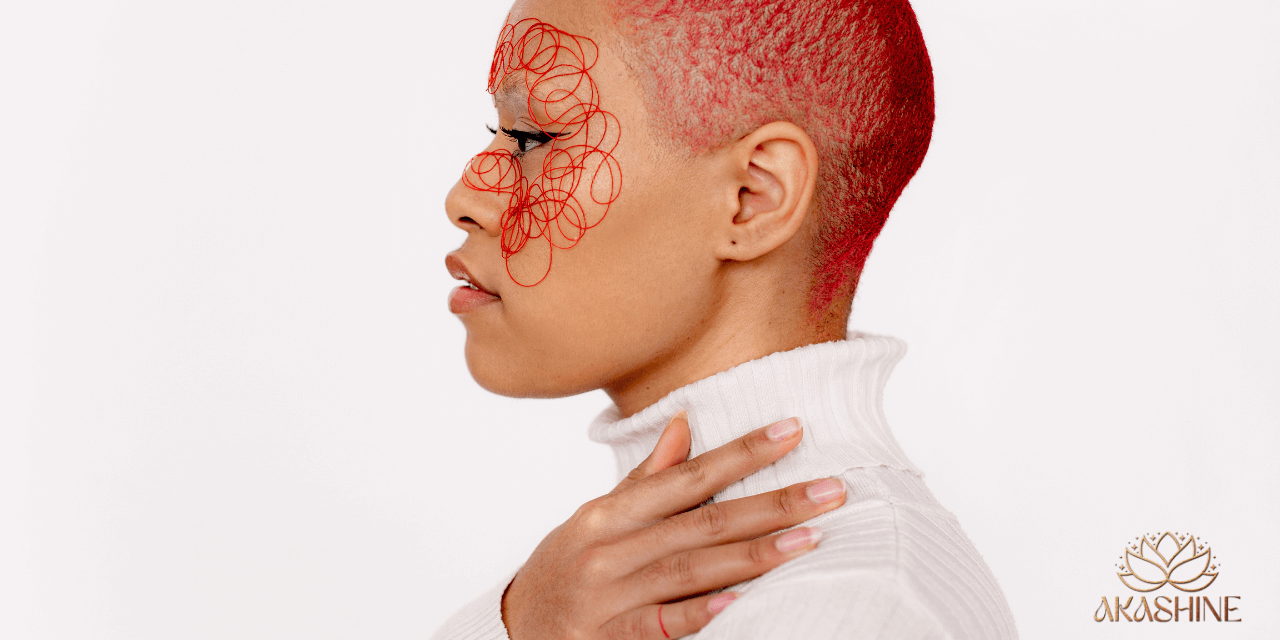
Each of us carries a story written in invisible ink upon our skin. No one else can read it for us. Muscles remember what words forgot. Breath remembers moments when we held it. The heart remembers losses we never fully named. To read this story is perhaps the most powerful act of self-knowledge we can undertake.
Poet and philosopher Rabindranath Tagore often wrote about the unity between the individual and the whole. He reminded us that we are not isolated beings, but expressions of a greater life moving through us. When we understand this, even briefly, pain becomes less lonely. We realize that suffering is not a personal failure, but a shared human experience.
Spiritual teacher Swami Vivekananda once said that all knowledge is already within us, and that education is simply the manifestation of what is already present. The same could be said of healing. The body carries both the wound and the wisdom. It holds the memory of pain, but also the blueprint for integration.